Education & Career Success Guide: heart
Showing posts with label heart. Show all posts

"How to Heal a Broken Heart"?

11:40
"How to Heal a Broken Heart"?

Healing a Broken Heart: Finding Strength in the Face of Love's Challenges


Love is beautiful, but it can also be the source of our deepest pain. When a relationship ends, especially when it feels like love has failed, it can leave you feeling broken, vulnerable, and unsure about the future. However, it's in these moments of darkness that we find the most profound strength within ourselves. Healing from a broken heart isn’t easy, but it is possible.

 "Sometimes, it’s not the love you fear losing, but the version of yourself you became in that love."

Step 1: Embrace Your Emotions

The first step to healing is allowing yourself to feel the pain. Heartbreak hurts, and pretending otherwise only prolongs the healing process. It’s okay to cry, feel angry, or even be confused. Your emotions are valid, and the only way out is through.

Allow yourself to grieve: Let the sadness, disappointment, and frustration wash over you. Don’t rush through the pain. Grieving is part of healing.

Don’t suppress your feelings: Bottling up your emotions may make you feel numb, but they will eventually resurface. Give yourself the time and space to feel everything.

 "Your heart is meant to break so that it can open wider. The pieces will come back together stronger than before."

Step 2: Control Your Emotions, Don’t Let Them Control You

As intense as heartbreak can be, remember that you are in control of how you respond to your emotions. While it's essential to feel, it's equally important not to let those feelings dictate your actions indefinitely.

Practice mindfulness: Stay present with your feelings, but don’t let your thoughts spiral into despair. Breathing exercises and meditation can help ground you during overwhelming emotional waves.

Channel your emotions into something positive: Whether it’s journaling, painting, exercising, or learning a new skill, use this time to create something meaningful from your pain.

"Emotions are temporary visitors. Welcome them, but don’t let them take up permanent residence."

Step 3: Rebuild Your Confidence and Face the Fear of Moving Forward

After heartbreak, fear can creep in—fear of living without that person, fear of being alone, or fear of never finding love again. But the truth is, fear is only as powerful as you allow it to be.

Take small steps forward: Don’t focus on conquering everything at once. Start with small actions, like taking a walk outside, connecting with a friend, or setting a new goal for yourself.

Face your fear of living: It's natural to be scared, but life is filled with possibilities you can’t yet see. Every new day brings a fresh start. Trust that your future holds more than your past.

 "Do not fear the unknown. The only thing more powerful than fear is hope."

Step 4: Redefine Love and Success for Yourself

A failed relationship doesn’t mean you failed in love. Love is about growth, and sometimes, growth requires endings. It's essential to redefine what love means to you. True success isn’t about a perfect relationship; it's about how you love yourself and others in the process.

Self-love is key: Focus on nurturing yourself. Give yourself the love and care you deserve. This is your chance to build a deeper, more fulfilling relationship with yourself.

Redefine your idea of success: Success in life is not just about finding love but also about finding peace, purpose, and fulfilment within yourself.

"Success is not final, failure is not fatal: it is the courage to continue that count." – Winston Churchill

Step 5: Draw Strength from Inspiration

When you feel weak or defeated, remember that even the most successful people have faced heartbreak, fear, and failure. Your ability to come back stronger defines who you are. Look for inspiration in stories of resilience, both in love and life.

-Find inspiration in others’ stories: People who have faced hardships and come out stronger are proof that you can too. Look to the heroes of your life for strength.

Set new goals: Having something to strive toward can help you regain your sense of direction and purpose. Use this opportunity to build a life that fulfils you.

 "Sometimes you have to get knocked down lower than you've ever been to stand back up taller than you ever were."

Step 6: Believe in New Beginnings:

Remember, every ending is a chance for a new beginning. Heartbreak doesn’t mean your story is over—it’s simply a chapter that has come to a close. With time, your heart will heal, and you’ll be ready for the next part of your journey, stronger and wiser.

Trust in the process of healing: Healing takes time, but it will come. Believe that you have the strength to move forward.

Open yourself to new possibilities: When the time is right, you’ll find love again. But more importantly, you’ll find that you are whole, with or without it.

"In the middle of every difficulty lies opportunity." – Albert Einstein

Final Thoughts: Rising from Heartbreak

Heartbreak can feel like the end, but it’s also a chance to rediscover who you are. By allowing yourself to feel, learning to control your emotions, and facing your fears, you can come back stronger than ever. You are not defined by your heartbreak, but by how you rise from it. With patience, self-compassion, and belief in yourself, you will heal—and you will thrive.

"Your heart will heal. Your soul will shine again. And you will be loved as deeply as you deserve."

Read More

Your heart is in your hands

05:15
Your heart is in your hands

Do you smoke, drink or lead a sedentary life? Do you have high blood pressure, sugar or cholesterol levels? Are you under stress due to personal or professional problems? Do you think you are suffering from Cardiovascular-Disease (CVD)? These questions are largely applicable to most people but are extremely crucial when it comes to women. 

Why? The answer lies in the exponential increase in the incidence of CVDs among women. The death rate due to cardiac disease among women has increased from 30 per cent in 1997 to 54 per cent in 2009 and the myth that heart disease is a ‘man’s disease’ has been debunked.

Underestimated

Almost half of the 17.3 million annual CVD’s deaths occur in women, though the risk is often underestimated. If you ask women about the greatest health problem they face, the majority would say breast cancer. But it is CVD, which poses the greatest health problem for women today. It claims the lives of more women than all forms of cancer combined.

Children are also at risk since they have little control over their environment and their heart-healthy choices can be limited. The other reason is Congenital heart defect (CHD). This is caused by improper development of the heart during foetal development. Mothers who do not adhere to the special diet necessary to manage the disease during pregnancy have a higher risk of having a child with congenital heart disease. 

Women with insulin-dependent diabetes may have a higher risk of having a child with heart defects. 

The most common cause of CVD is Atherosclerosis (hardening/clogging of arteries caused by the build-up of cholesterol and fatty deposits (called plaque) on the inner walls of the arteries. This restricts blood flow to the heart. 

Without adequate blood, the heart is starved of oxygen and the vital nutrients it needs to work properly. When one or more of the coronary arteries becomes blocked, a heart attack (injury to the heart muscle) can occur.

The most important challenge is to identify the symptoms in women because these are often different (see box). Sixty four per cent of women who died suddenly because of coronary heart disease had no previous symptoms. 

The symptoms may occur with or without chest pain and may come and go.

Risk factors

Older age: When woman reaches the age of 50-52 (the age of natural menopause), the risk of heart disease increases dramatically

Family history: If your parents have CVDs, you have an increased risk of developing it

Race: Risk of CVDs varies with race. For example, Afro-Americans have more severe high blood pressure than Caucasians and are at higher risk of CVDs. This is partly due to higher rates of obesity and diabetes in these populations.

Remember, CVD is largely preventable. You can ensure your heart stays healthy by following a healthy lifestyle. Your heart is in your hands.

Symptoms in women

A feeling of being squeezed or discomfort/pain in the chest, between the breasts or behind the breastbone

Discomfort and/or radiating pain over arms, back, neck, jaw or stomach

Shortness of breath, weakness or fatigue 

Unusual anxiety or nervousness

Indigestion or gas-like pain, nausea

Sudden sweating, dizziness and collapse

What you can do

Be physically active, walk or work out regularly 

Avoid foods full of salt, saturated and trans fats and sugar. Eat lots of fruit and vegetables

Maintain a healthy weight

Quit smoking and avoid respiratory irritants

Limit or stop alcohol use

Stop smoking, avoid products containing tobacco

Those with lung problems should get annual influenza vaccination
Read More

Regular exercise helps preventing stroke

10:14
Regular exercise helps preventing stroke
 
Regular exercise could play an important therapeutic role in stroke, Alzheimer’s and Parkinson’s diseases among the elder people.

“Regular exercises positively affect the brain function as well as play an important preventive and therapeutic role in stroke, Alzheimer and Parkinson diseases is an international symposium on Ageing held here.

Reactive Oxygen Species (ROS) are continuously generated during aerobic metabolism apart from stimulating a number of stress responses and activate gene expression for a wide range of proteins. 

The ROS, necessary activators of stress responses, activate gene expression for a wide range of proteins

“Data from our laboratories indicate that exercise induced modulation of ROS levels plays a role in the protein content.

Regular exercise improves the physiological performance of skeletal and cardiac muscle which decrease the incidence of a wide range of diseases including heart and vascular. 

Themed ‘Problems and prospects of elderly in today’s world’, the three day symposium which is also the 16th biennial conference of the Association of Gerontology in the country held at the North Eastern Hill University here drew participants from Japan, Germany, USA and from hosts India.
Read More

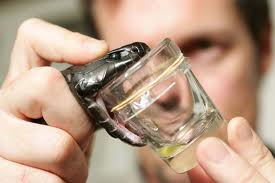
Snake venom could save lives too

23:28
Snake venom could save lives too

Though venom has already been used to create drugs, the chemicals in it are often too deadly for human consumption.

But a new study found snakes and lizards have "reclaimed" some toxins and used them, safely, elsewhere in their own bodies, and scientists think it could be used to make safe and effective drugs.

The researchers said it was an "unexpectedly dynamic" process, with chemicals in venom being formed through evolution and then later being adopted by parts of the body for other uses.

"Our results demonstrate that the evolution of venoms is a really complex process," the BBC quoted Dr Nicholas Casewell, from Liverpool School of Tropical Medicine, as saying.

He said venom seemed to evolve a lot of new functions, possibly to overcome resistance in prey.

"The venom gland of snakes appears to be a melting pot for evolving new functions for molecules, some of which are retained in venom for killing prey, while others go on to serve new functions in other tissues in the body," he said.

Dr Wolfgang Wuster, from Bangor University, added: "Many snake venom toxins target the same physiological pathways that doctors would like to target to treat a variety of medical conditions."

The cardiovascular system, heart and blood vessels, is one of the main targets of snake venom when attacking prey and it has played a role in the origins of some blood pressure drugs such as ACE inhibitors.

The nervous system is another similar area.

But the challenge for the scientist to use it as drugs has been to overcome the toxic effect of the toxins.

"This means that drug developers have had to modify toxins to retain their potency and make them safe for drug use," said Dr Casewell.

Now, the scientists involved in the study believe nature may have already done the hard work, with reptiles making the toxins safe for their own use.
Read More